Find 2u high performance rack server for Data Centers, HPC, and Virtualization
Source 30 units of 2u high performance rack server from verified suppliers. Compare specifications including Intel Xeon processors, up to 1TB memory, and RAID options for enterprise-level computing needs.
Key considerations
Products List




Comprehensive Sourcing Guide
Strategic Sourcing Guide for 2U High-Performance Rack Servers
Understanding the 2U Form Factor and System Architecture
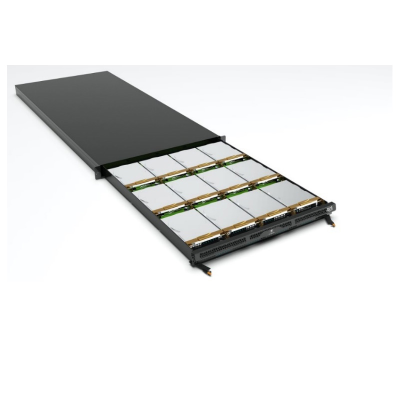
The 2U high-performance rack server represents a critical segment in modern data center infrastructure, offering a balance between computational density and thermal management. When sourcing these units, buyers must first distinguish between the two primary system architectures observed in the current market: X86 and Non-X86. The X86 architecture is prevalent in enterprise-level applications, utilizing Intel Xeon processors that support a high number of CPU threads. This architecture is typically associated with desktop workstations and general-purpose server platforms, making it suitable for a wide range of computing tasks. In contrast, Non-X86 servers often rely on RISC instruction systems, which may offer specialized performance benefits for specific workloads but require different software compatibility checks.
The physical dimensions of these servers are a primary consideration for rack integration. Standard compliance for 2U units often aligns with specific width and depth measurements. For instance, observed standards indicate a width of approximately 447mm and a depth around 720mm or 790mm, with a height corresponding to the 2U form factor. Buyers should verify that the physical dimensions of any candidate unit match their existing rack infrastructure to ensure proper airflow and mounting. The standard packaging for these units typically involves double boxes or cartons, designed to protect the hardware during transit from the origin, which is frequently China. The net weight of these systems can vary significantly, with some configurations weighing up to 32.6kg, while others may be around 20kg, influencing shipping costs and handling requirements.
Technical Specifications and Hardware Configuration
When evaluating the technical specifications of a 2U server, the focus must be on the core components that drive performance: the processor, memory, and storage capacity. High-performance models often support multiple CPUs, with thread counts ranging from 16 to 20 or more, depending on the specific configuration. The maximum supported memory capacity is a critical metric; observed data suggests configurations ranging from 32GB up to 1TB of supporting memory. This wide range allows buyers to select units that match their specific workload requirements, from light enterprise tasks to heavy database operations.
Storage is another vital component. The hard disk capacity for these servers typically starts at 1TB and can extend up to 1000GB or higher, depending on the number of drive bays. The physical layout often includes 8 slots for 3.5-inch hard disk pieces, providing flexibility for RAID configurations. A RAID controller with 1GB cache or above is commonly specified to ensure data integrity and improved read/write speeds. Additionally, the power supply unit (PSU) must be robust, with power ratings of 550W or higher, and often includes redundant power support to maintain uptime during component failures. Network connectivity is typically provided via a 4-port Gigabit network card, ensuring sufficient bandwidth for enterprise-level data transfer.
Compliance, Standards, and Certification Verification
Compliance with industry standards is essential for ensuring the reliability and safety of 2U rack servers. Buyers should verify that the product adheres to specific dimensional standards, such as the 447mm width and 87mm height specifications often cited for 2U chassis. These standards ensure compatibility with standard EIA-310-D racks used globally. Furthermore, the instruction system of the server, whether RISC or CISC, must align with the operating system and application requirements. For X86 servers, the CISC instruction set is standard, while RISC-based systems require specific verification of software compatibility.
Certification checks should extend beyond the hardware itself to include the manufacturing process and the origin of the components. While specific certification names are not universally applicable without supplier confirmation, buyers should look for evidence of adherence to international quality management standards. The origin of the product, often listed as China, should be verified against the buyer's trade policies and import regulations. Additionally, the warranty terms, such as a 3-year coverage period, are a crucial part of the compliance package, indicating the manufacturer's confidence in the product's longevity. Buyers must ensure that the warranty covers both parts and labor and is valid in their specific geographic region.
Cost Drivers and Pricing Structures
The pricing of 2U high-performance rack servers is influenced by several key factors, including the complexity of the configuration, the brand reputation, and the specific hardware components selected. The observed price range for these units can vary significantly, from approximately $175 to over $11,000, reflecting the diversity in specifications and performance capabilities. The cost is heavily driven by the number of CPU threads, the total RAM capacity, and the storage configuration. Servers with higher thread counts, larger memory capacities, and advanced RAID controllers will naturally command a higher price.
Shipping and logistics also play a significant role in the total cost of ownership. The shipment terms, such as FOB (Free on Board), affect who bears the cost and risk during transit. Buyers should consider the delivery port, which is often Beijing, and the available shipping methods, including DHL, FedEx, UPS, and air freight. These options can vary in cost and lead time, impacting the overall budget. The MOQ (Minimum Order Quantity) is another cost driver, with many suppliers offering a MOQ of 1 set, which is favorable for small to medium enterprises. However, bulk purchases may offer volume discounts, so buyers should evaluate their long-term needs before committing to a large order.
Typical Applications and Use Cases
2U high-performance rack servers are designed for a variety of enterprise-level applications. Their compact form factor and high computational power make them ideal for data centers, cloud computing environments, and large-scale virtualization projects. The ability to support multiple CPUs and high memory capacities allows these servers to handle complex database queries, scientific simulations, and high-traffic web services. The inclusion of redundant power supplies and robust RAID configurations ensures that these systems can maintain high availability, which is critical for mission-critical applications.
In addition to data center use, these servers are also suitable for edge computing scenarios where space is limited but performance is paramount. The 2U form factor allows for efficient rack mounting in smaller facilities, while the high-performance components ensure that the server can process data locally without significant latency. The versatility of the X86 architecture also makes these servers suitable for a wide range of operating systems and applications, from Linux-based distributions to Windows Server environments. Buyers should assess their specific workload requirements to determine the optimal configuration, ensuring that the selected server meets both current and future performance needs.
Supplier Evaluation and Quality Control
Selecting the right supplier is a critical step in the procurement process. Buyers should evaluate suppliers based on their ability to provide high-quality products that meet the specified technical requirements. Key factors to consider include the supplier's experience with 2U rack servers, their reputation for reliability, and their customer support capabilities. The lead time for delivery is another important consideration, with some suppliers offering a lead time of 1-2 days after payment, which can be advantageous for urgent procurement needs.
Quality control measures should be a priority for buyers. This includes verifying the condition of the products, such as the "Smartnet: Clean" status, which indicates that the server has been thoroughly cleaned and tested. Buyers should also request documentation regarding the manufacturing process, including any quality assurance tests performed on the units. The packaging, whether it is a single box or double boxes, should be inspected to ensure that the hardware is protected during transit. Additionally, buyers should verify the warranty terms and the availability of technical support to ensure that any issues can be resolved promptly.
Long-Term Procurement and Lifecycle Management
Long-term procurement considerations involve more than just the initial purchase; they encompass the entire lifecycle of the server. Buyers should plan for future upgrades and maintenance, ensuring that the selected server can be easily expanded or upgraded as needs evolve. The availability of spare parts and the supplier's ability to provide timely support are crucial for maintaining system uptime. The 3-year warranty is a standard offering, but buyers should consider extending this coverage for critical applications.
Scalability is another important factor. As the organization grows, the server infrastructure must be able to scale accordingly. The modular design of 2U servers, with their multiple CPU slots and memory bays, allows for easy expansion. Buyers should also consider the energy efficiency of the server, as power consumption can become a significant cost over the lifespan of the unit. Finally, buyers should establish a clear plan for the eventual decommissioning and disposal of the servers, ensuring that data is securely wiped and that the hardware is recycled or disposed of in an environmentally responsible manner. By taking a holistic approach to procurement, buyers can ensure that their investment in 2U high-performance rack servers delivers long-term value and reliability.
FAQs
What is the standard form factor for these servers?
The standard form factor is 2U rack mount. These units typically measure 447mm in width and 87mm in height, ensuring compatibility with standard EIA-310-D racks for efficient data center integration.
Which system architectures are available for these servers?
Available architectures include X86 and Non-X86 systems. X86 servers utilize Intel Xeon processors for enterprise applications, while Non-X86 variants may employ RISC instruction systems for specialized workloads.
Can these servers support high memory capacity?
Yes, these servers support memory capacities ranging from 32GB up to 1TB. Specific configurations may include 24 memory slots to accommodate varying enterprise workload requirements and scalability needs.
What is the typical lead time for delivery?
The typical lead time is 1-2 days after payment. This rapid turnaround applies to orders shipped from Beijing via courier services like DHL, FedEx, or UPS for urgent procurement needs.
How much does the server weigh for shipping?
The net weight varies between 20kg and 32.6kg depending on the specific model. This weight influences shipping costs and handling requirements when transporting units from China to global destinations.
What warranty coverage is provided for these units?
A standard 3-year warranty is provided for these servers. This coverage typically includes parts and labor, ensuring reliability for mission-critical enterprise applications and long-term operational stability.